
The Power of Listening in Business
Jun 15, 2026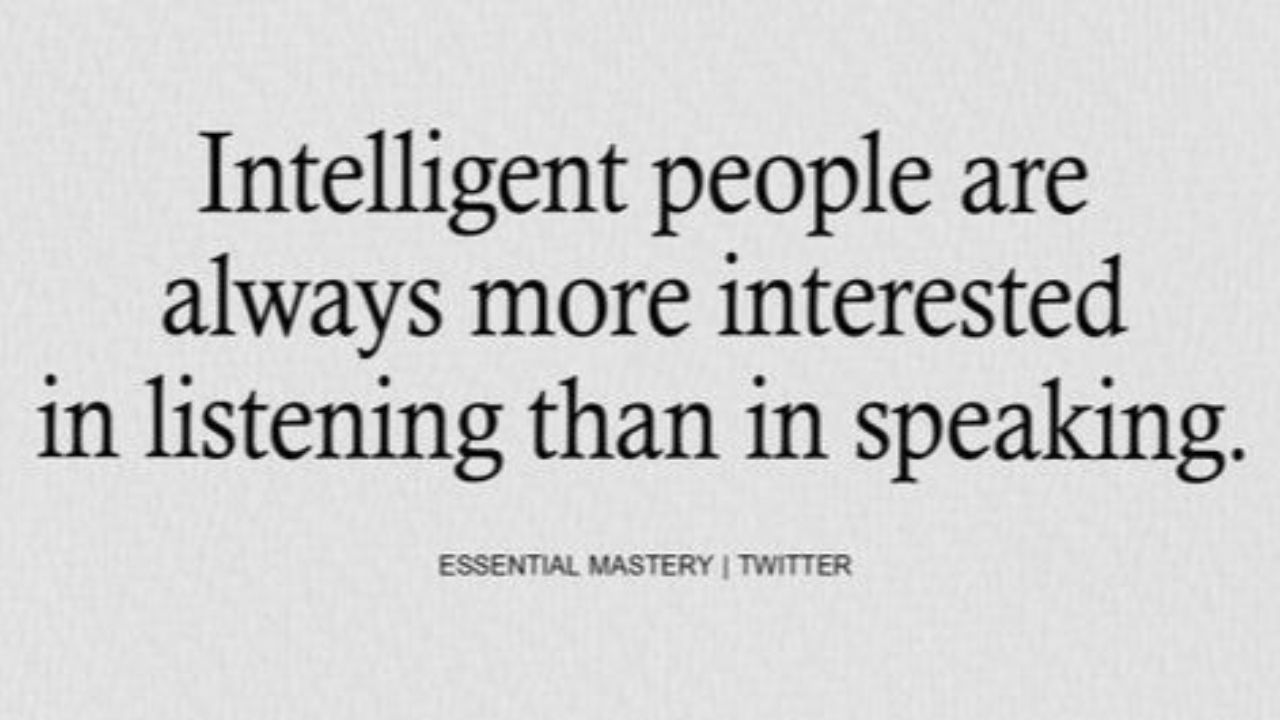
Why the Best Leaders Talk Less and Learn More
How intentional listening can transform your leadership, relationships, and results
Have you ever walked away from a conversation thinking, “That could have gone better,” or “I wish I would have understood more before I responded”? I know I have. As business owners and leaders, we often feel pressure to have the answers, to guide the conversation, and to be the one speaking. But the truth is, some of the most impactful growth I’ve seen—both personally and with clients—has come not from saying more, but from listening better. That quote hits right at the heart of it: intelligent people are more interested in listening than in speaking. And in business, that’s not just a personality trait—it’s a competitive advantage.
When we slow down and truly listen, we gain clarity, build trust, and make better decisions. And when you apply that across the five core areas of your business—Operations, Finance, Leadership, Marketing & Sales, and Customer Experience—you start to see just how powerful this simple shift can be.
1. Listening Strengthens Leadership and Builds Trust
Strong leaders aren’t the ones who dominate conversations—they’re the ones who understand their people. When you actively listen to your team, you create an environment where people feel valued and heard. That leads to higher engagement, better morale, and stronger performance. Listening also helps you pick up on what’s not being said—concerns, frustrations, and opportunities that might otherwise go unnoticed. Leadership isn’t about having all the answers; it’s about asking the right questions and being open to what you hear.
2. Listening Improves Operational Efficiency
Your team is closest to the day-to-day work. They often see inefficiencies, bottlenecks, and waste before leadership does. But if we’re too busy talking or assuming we already know the answers, we miss those insights. By listening intentionally, you uncover simple improvements that can save time, reduce costs, and increase productivity. This is where continuous improvement really starts—on the front lines, with people who feel comfortable speaking up because they know they’ll be heard.
3. Listening Creates Better Financial Decisions
Financial clarity doesn’t just come from reports and numbers—it comes from understanding the story behind them. Listening to your accountant, your managers, and even your customers can help you better understand where money is being made, lost, or mismanaged. When you take time to listen before reacting, you avoid emotional or rushed financial decisions and instead make thoughtful, strategic choices that support long-term profitability.
4. Listening Elevates Marketing and Sales
Too many businesses focus on what they want to say instead of what their customers need to hear. When you truly listen to your customers—their challenges, needs, and goals—you can position your product or service in a way that actually connects. Listening turns your marketing from generic messaging into meaningful communication. In sales, it builds trust and allows you to solve problems rather than push products. The best salespeople aren’t the best talkers—they’re the best listeners.
5. Listening Drives Customer Experience Excellence
Customer experience is one of the biggest drivers of growth, and it all starts with listening. When customers feel heard, they feel valued. When they feel valued, they come back—and they tell others. Whether it’s feedback, complaints, or simple conversations, every interaction is an opportunity to learn and improve. Businesses that listen well don’t just meet expectations—they exceed them.
Thrive Action Tip:
This week, challenge yourself to listen more than you speak in your key conversations. In meetings, aim to ask at least two thoughtful questions before offering your opinion. When someone is speaking, focus fully on understanding—not just preparing your response. At the end of the conversation, summarize what you heard to confirm clarity. You’ll be surprised how much more insight, connection, and progress you gain.
At the end of the day, listening is a choice. It takes intention, patience, and humility. But the return on that investment is powerful—stronger relationships, better decisions, and a business that runs with more clarity and confidence. If you want to grow your business and lead at a higher level, don’t start by saying more. Start by listening better.
Don’t just survive, THRIVE.