
Fear Is a Liar
Jan 15, 2026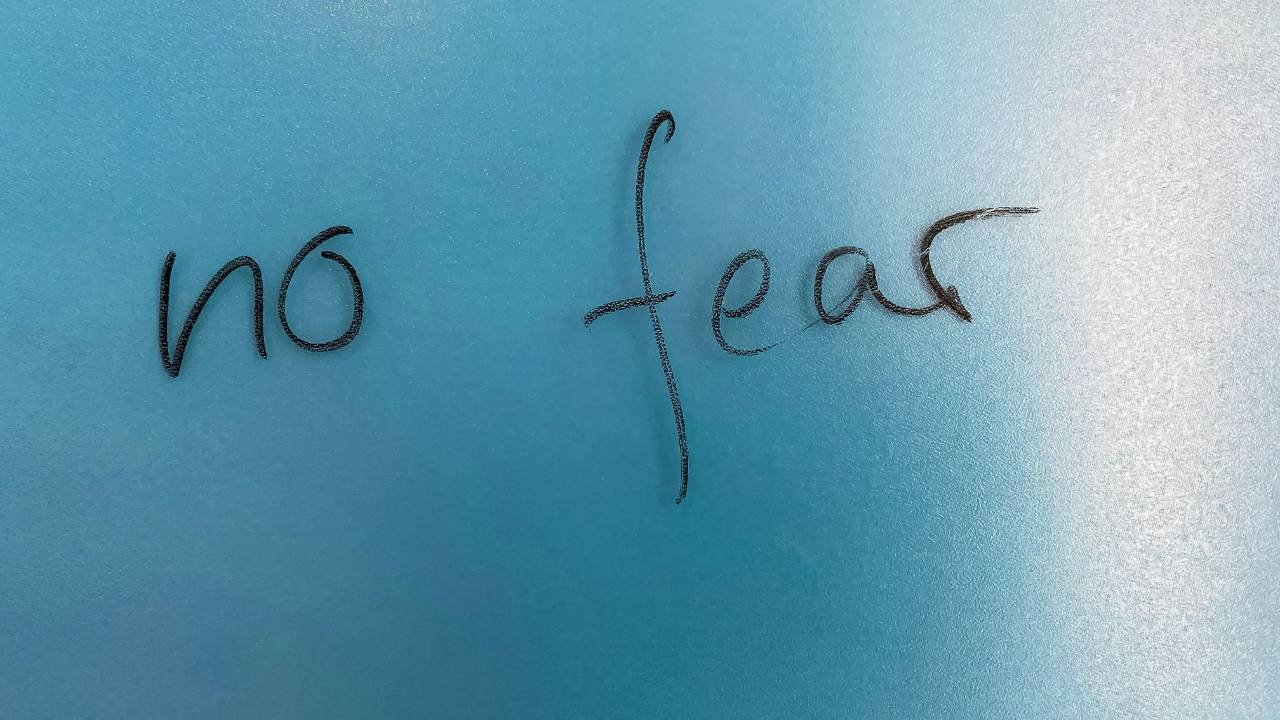
When Fear Starts Leading Your Business Instead of Serving It
Have you ever noticed how fear rarely shows up wearing a warning label? In business, fear often sounds reasonable. It tells us to wait, to play it safe, or to avoid rocking the boat. I’ve seen this in my own journey and time and time again with small business owners who care deeply about doing things the “right way.” The problem is that fear doesn’t just slow decisions—it slowly reshapes them. The song Fear Is a Liar by Zach Williams is a powerful reminder that fear is convincing, but it is not truthful. When fear is allowed to lead, it doesn’t protect your business; it quietly limits growth, drains confidence, and can eventually undermine even the strongest businesses.
1. Fear in Operations: When Efficiency Turns Into Avoidance
Operational fear often shows up as resistance to change. Business owners know something isn’t working—processes are inefficient, systems are outdated, or roles are unclear—but fear says, “This is how we’ve always done it.” There’s fear of disrupting the team, fear of slowing things down temporarily, or fear of getting it wrong. Healthy caution asks how to improve processes intentionally and incrementally. Fear avoids the conversation altogether. When fear drives operations, inefficiencies linger, stress increases, and small problems quietly become big ones.
2. Fear in Finance: When Playing It Safe Becomes Playing Small
Financial fear isn’t just about money being tight. It often shows up as hesitation to invest in the business, reluctance to adjust pricing, or avoiding financial clarity altogether. Fear convinces owners that staying exactly where they are is safer than making thoughtful changes. Wise financial leadership still respects numbers and risk, but it also recognizes that not all risk is reckless. Fear-based financial decisions focus on short-term comfort, while wise decisions focus on long-term health, sustainability, and balance.
3. Fear in Leadership: When Fear Weakens Confidence and Clarity
Leadership fear shows up when difficult conversations are delayed, accountability is softened, or expectations are left unclear. Many leaders fear being disliked, creating conflict, or making the wrong call. Healthy leadership courage doesn’t mean being harsh or impulsive. It means being clear, consistent, and compassionate. When fear leads leadership, teams feel uncertainty. When wisdom leads, teams feel stability and trust.
4. Fear in Marketing and Sales: When Visibility Feels Risky
Marketing and sales fears often sound like humility or patience, but they are frequently rooted in fear of rejection, judgment, or failure. Business owners hesitate to promote themselves, raise prices, follow up, or ask for the sale because they fear hearing “no.” Wise marketing and sales efforts are built on value, service, and confidence. Fear-based hesitation keeps great businesses hidden, limiting growth and impact not because the value isn’t there, but because fear is silencing the message.
5. Fear in Customer Experience: When Fear Prevents Honest Improvement
Fear also shows up in how businesses serve their customers. Owners may avoid asking for feedback, addressing complaints, or making changes because they fear what they might hear. Healthy caution listens carefully and seeks understanding. Fear avoids feedback altogether. When fear controls customer experience decisions, businesses miss opportunities to strengthen trust, loyalty, and long-term relationships.
Fear will always be present in business, but it was never meant to be the leader. The difference between fear and wisdom is not the absence of risk, but the presence of clarity. Wise business owners learn to recognize fear for what it is, assess it honestly, and then lead with intentional, consistent, and incremental decisions. Fear is a liar. When wisdom leads instead, your business gains confidence, direction, and the ability to thrive rather than simply survive.